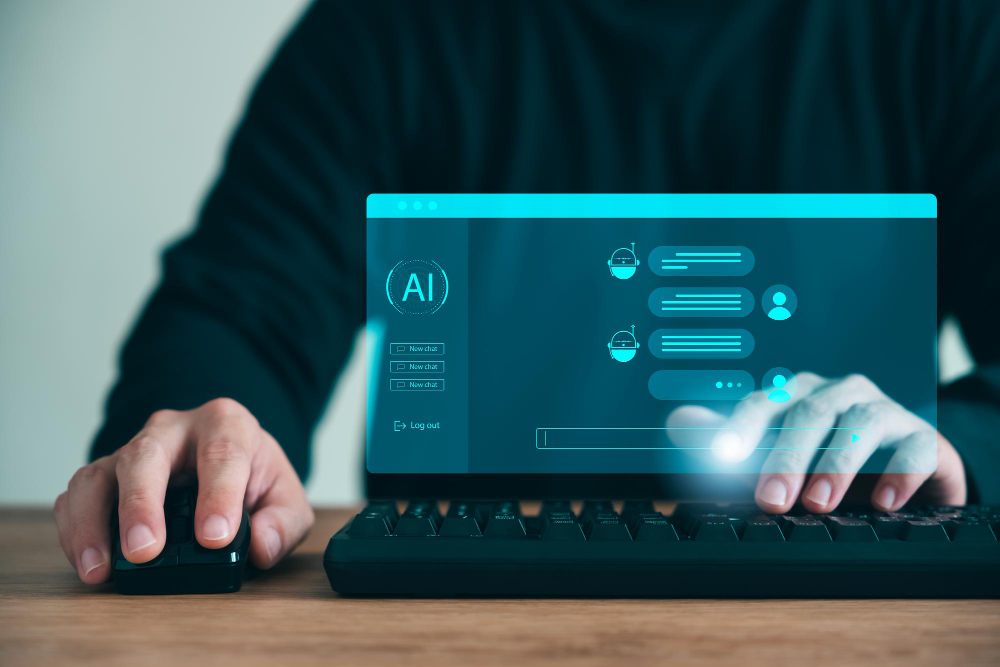
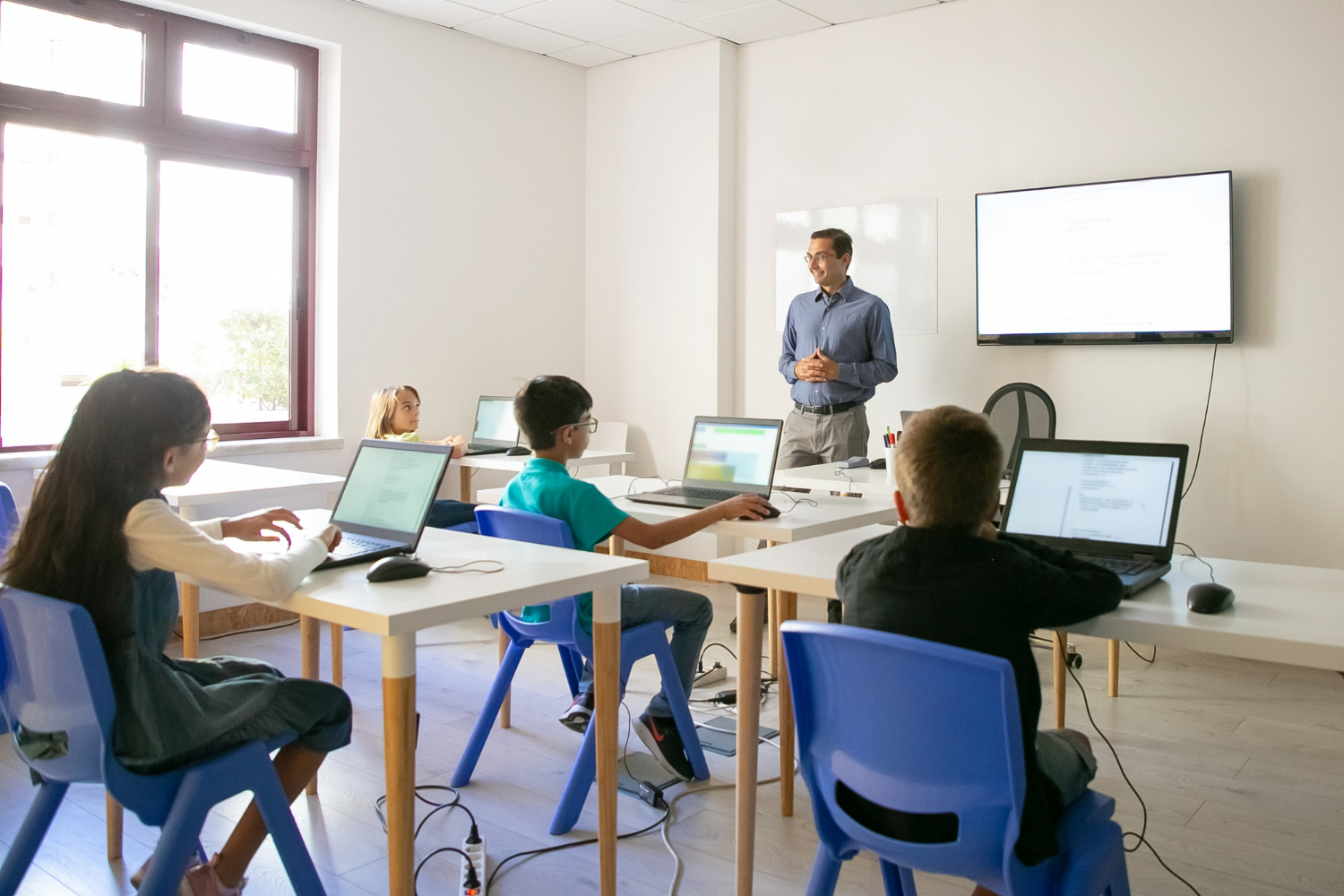
AI is no longer something “extra” in the classroom.
In 2026, it’ll become the quiet assistant that helps teachers plan faster, reduce workload, and give students more meaningful attention.
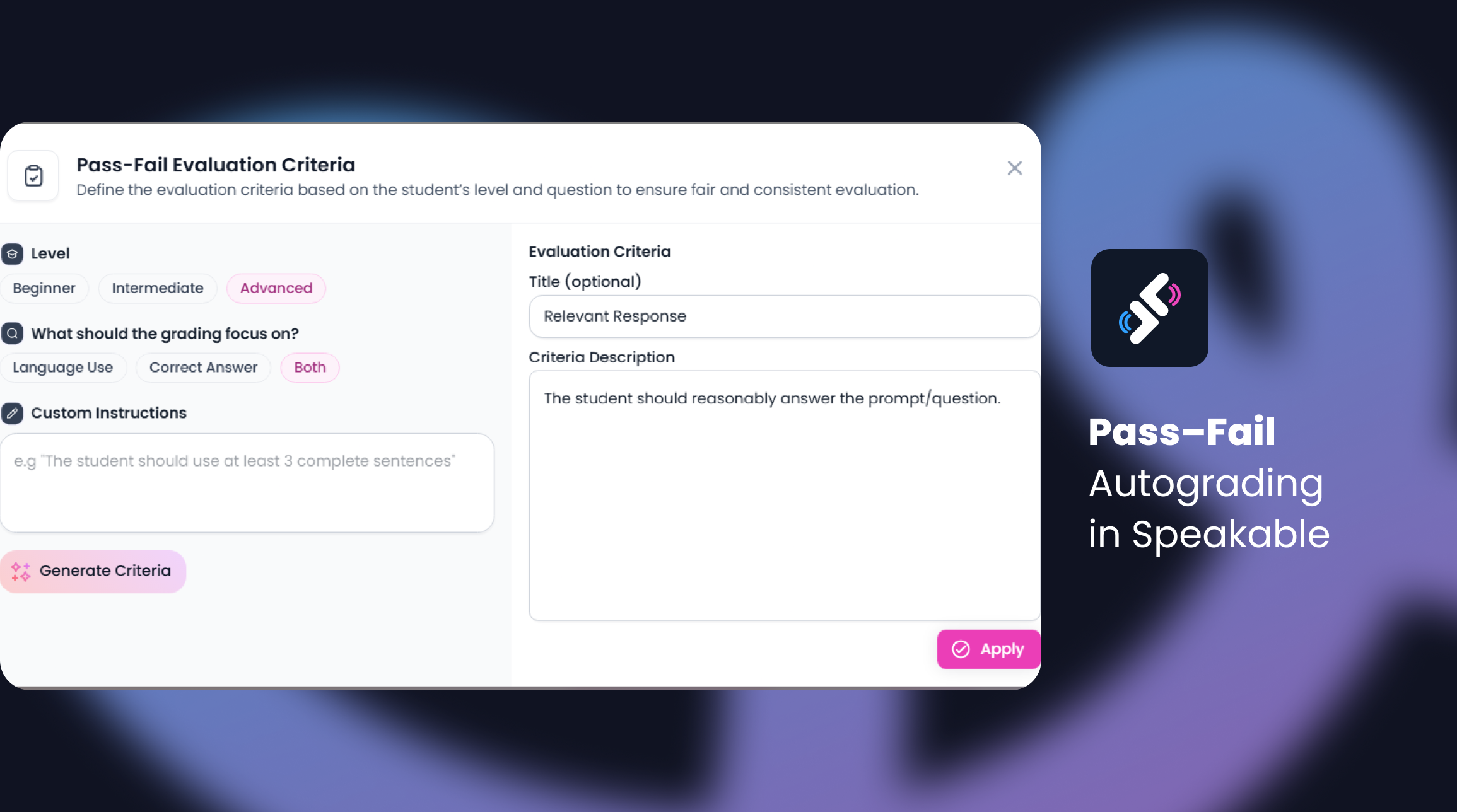
When students submit a spoken or written open response in Speakable, pass–fail autograding helps you check work quickly and consistently. It shows whether a student met the expectations you set and returns short, clear feedback right away.
Picture this: You've just assigned a speaking activity to your class of 30 students. The next day, you log in to review their work. Where do you start? Who needs help first? Who's ready to move on? For most teachers, answering these questions meant listening to dozens of recordings, one by one, taking notes, and mentally triaging students.
AI used to be the assistant, the silent helper in the background, grading, organizing, automating. But 2025 is showing us something different: a new kind of relationship between teachers and technology. One that feels more like a partnership than support.
Educators have always known that assessment is more than just assigning a grade; it’s about understanding student progress and helping them grow. But as classrooms become more diverse and demands on teachers increase, many schools are questioning whether traditional assessment methods can still keep up.
With more classrooms adopting AI tools like Speakable, understanding how to apply its grading options effectively can help you give students meaningful feedback without adding to your workload. Each method is designed for different types of language tasks. Here's a simple guide to help you choose the best one for your lesson
AI isn't just for tech experts anymore. It's becoming the teaching assistant you never knew you needed. Here are six ways it's already changing classrooms like yours.
Schools everywhere are exploring AI grading tools, hoping for faster feedback on speaking and writing assignments. But it's hard to know what's happening in real classrooms.
Speaking used to be the hardest skill to teach at scale. It took hours to prepare, grade, and revisit. But that’s starting to change.AI is making speaking easier to practice, faster to assess, and more consistent to track. And teachers are leading the way in figuring out how to use it with purpose.
In this post, we explore how AI is changing classrooms, the challenges it brings, and how we can ensure it improves learning instead of complicating it.